

January 6, 2026

Japan has a lot of famous sayings. You've seen them, the kind you see plastered on tourist T-shirts, in tiny calligraphy shops, or in your favorite ramen spot.
Some of the most famous examples including:
- “一期一会” (Ichigo ichie) — “One time, one meeting” (basically, cherish every encounter).
- “猿も木から落ちる” (Saru mo ki kara ochiru) — “Even monkeys fall from trees” (yes, even experts make mistakes).
- And of course, my personal favorite: 「七転び八起き」(Nanakorobi yaoki) — “Fall down seven times, stand up eight.”
At first glance, they might seem just like cute souvenirs or Instagram captions, but if you take a closer look, they actually give you a lot of insight into the Japanese mindset, including how business works here.
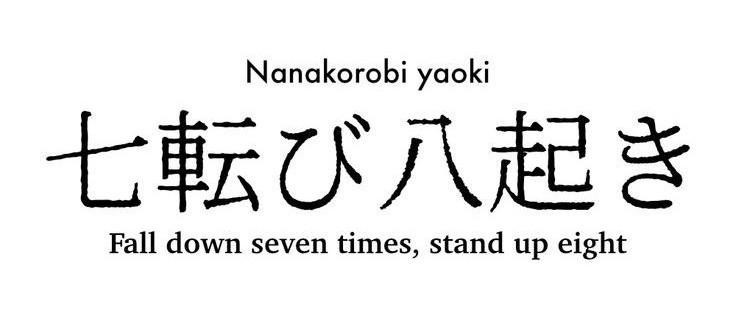
Nanakorobi yaoki : My unofficial entrepreneurial motto
Literally: “Fall down seven times, stand up eight.”
To me, it’s not just a poetic phrase. It’s a philosophy I’ve been living by as an entrepreneur in Japan.
Here’s why it hits differently in a business context:
- Failure is part of the process : Making a mistake doesn’t mean you’re “bad” at what you do. It means you’re learning, adjusting, and preparing for the next round.
- Persistence matters more than perfection : Japanese business culture values steady effort and reliability. You might stumble, but if you keep showing up, people notice and trust you.
- Humility is key : Falling down means you acknowledge your limits. Standing up shows you’re willing to grow without making a big scene about it.
Basically: if you’re trying to do business here, expect to trip a few times, but don’t worry, everyone else has too. Just keep standing back up. Preferably with a smile.
Other sayings that actually matter for business
Take Ichigo ichie (“One time, one meeting”). On the surface, it sounds like a sentimental tea-ceremony quote. But in practice:
- Every meeting is treated as unique.
- Even small introductions can have long-term importance.
- Don’t waste opportunities, and never take someone’s time lightly.
Or Saru mo ki kara ochiru (“Even monkeys fall from trees”).
- Perfection isn’t expected.
- Mistakes happen.
- But how you respond to a mistake tells people more about you than the mistake itself.
Basically, Japanese sayings are like cheat codes for understanding local business behavior. They sound cute, but they’re actually really practical.
How to go past surface-level understanding
Here’s the trick: don’t just translate the words. Instead, observe how people act around these sayings, listen to the unspoken rules in meetings, and understand why certain behaviors are valued.
When you do, you start to see patterns:
1) Why persistence beats flashy pitches.
2) Why relationships matter more than contracts.
3) Why a humble approach often goes further than aggressive negotiation.
The takeaway for entrepreneurs
If you’re trying to enter the Japanese market or collaborate with local partners... Don’t just collect cute phrases. Don’t treat them like decorative souvenirs. Let them guide how you act, how you respond to setbacks, and how you approach relationships.
And yes, sometimes it means falling down seven times. But if you keep standing up, you’ll start to understand why Japanese business culture works the way it does.
Need a little help bridging cultures?
If navigating Japanese culture seem sometimes impossible to navigate... we’ve got your back. We help foreign businesses understand local behavior, build relationships, and actually thrive in Japan.
Because falling down is expected… standing up successfully is the fun part.
Hayate Yoshizawa,
Co-founder at Pont Miyabi🌏
🔗 Connect: LinkedIn | Website
📩contact@pontmiyabi.com
Other blogs
What's happening
Our latest news and trending topics